
Why Does My Cat Bite Me? Understanding Love Bites, Play Biting, and Overstimulation
Have you ever been petting your cat, enjoying a sweet cuddle, when they suddenly turn around and bite your hand? Or maybe your cat gently nibbles your fingers while you're playing together, leaving you wondering whether it's a sign of affection or something else entirely.
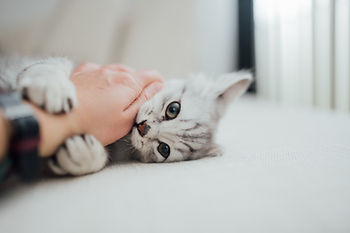
Cat biting can be confusing, especially when your feline friend seems perfectly happy one moment and ready to nip the next. The good news is that biting is often a form of communication, and understanding what your cat is trying to tell you can help you build a stronger bond.
Whether your cat gives you gentle love bites, playfully attacks your hands, or bites when you've been petting them for too long, here's what you need to know about why cats bite and how to respond.
Why Does My Cat Bite Me?
Cats bite for several reasons, and understanding the circumstances surrounding the behavior is the first step toward figuring out what's going on. Your cat might be trying to initiate play, communicate discomfort, get your attention, or respond to something that makes them feel threatened.
Here are some of the most common reasons cats bite their owners.
1. Your Cat Is Giving You Love Bites
Some cats gently nibble their favorite humans during moments of affection. These little nips, often called love bites, may happen while your cat is cuddling in your lap, grooming you, or rubbing against your hand.
Grooming is an important social behavior among cats, and gentle nibbling can sometimes be part of this interaction. Your cat may be showing affection or simply enjoying the moment.
However, not every gentle bite is a sign of love. Pay attention to your cat's overall body language. If they're relaxed, their ears are in a neutral position, and they're choosing to stay close to you, the nibbling may be part of a comfortable social interaction.
If the bites become harder or your cat starts showing signs of irritation, give them a break. Even affectionate cats have boundaries!
2. Your Cat Is Feeling Overstimulated
Have you ever wondered why your cat bites you when you pet them, even when they seemed to be enjoying it just seconds earlier?
This behavior is often associated with petting-induced overstimulation. Some cats enjoy physical affection in short bursts, but repetitive touching can eventually become uncomfortable or overwhelming.
Every cat has a different tolerance for petting. One cat might happily spend an hour curled up in your lap, while another prefers a few gentle strokes before moving on.
Your cat may give you warning signs before biting, including:
Flicking or twitching their tail
Flattening or rotating their ears backward
Tensing their body
Turning their head toward your hand
Shifting away or suddenly becoming restless
If you notice these signals, stop petting your cat and give them space. Learning to recognize these subtle changes can help prevent bites before they happen.
3. Your Cat Wants to Play
Cats are natural hunters, and play allows them to practice behaviors like stalking, chasing, pouncing, and grabbing. Unfortunately, your fingers and toes can sometimes become targets!
Kittens are particularly prone to play biting as they explore their surroundings and learn how to interact with people and other animals. Adult cats may also bite during play, especially when they have excess energy or limited opportunities to engage their hunting instincts.
If your cat frequently attacks your hands or ankles, try redirecting their attention toward an appropriate toy instead.
A wand toy with playful textures and a built-in bell, like our interactive cat wand, encourages your cat to chase, pounce, and follow their natural hunting instincts while keeping your hands safely out of the action. Regular interactive play can also provide mental stimulation and help satisfy your cat's natural instincts.
The key is to avoid using your hands as toys. Even if a kitten's bites seem harmless, encouraging this behavior can make it harder to establish appropriate play habits as they grow.
4. Your Cat Is Trying to Get Your Attention
Some cats learn that biting gets a reaction from their humans. If your cat nips your hand while you're working, bites your feet when you walk past, or gently chomps on your fingers when you're busy, they may be trying to initiate interaction.
Your cat could be asking for playtime, food, affection, or simply a little attention.
Instead of immediately rewarding the bite with excitement or a game, pause the interaction and give your cat an opportunity to settle. Once they're calm, offer attention or redirect them toward a toy.
Keeping a consistent daily routine with regular play sessions can also help reduce attention-seeking behaviors, particularly in energetic cats who need more opportunities for enrichment.
5. Your Cat Feels Scared or Threatened
Biting can also be a defensive response. Cats may bite when they feel frightened, trapped, startled, or uncomfortable with an interaction.
For example, a cat who is cornered, approached too quickly, or forced to tolerate handling may bite to communicate that they need space.
In these situations, avoid reaching toward your cat, picking them up, or trying to force physical contact. Give them a safe place to retreat and allow them to approach you when they're ready.
Respecting your cat's boundaries helps them feel more secure and can build trust over time.
6. Your Cat May Be Experiencing Pain
If your cat suddenly starts biting when they previously enjoyed being handled, pain or an underlying medical issue could be the cause.
Cats sometimes react defensively when a particular area of their body hurts. Dental problems, joint discomfort, skin irritation, and other conditions can make petting or handling uncomfortable.
Pay attention if your cat bites when you touch a specific area, becomes unusually sensitive to contact, or displays other changes in behavior.
If biting develops suddenly, becomes more frequent, or occurs alongside other concerning symptoms, schedule a veterinary appointment. A veterinarian can help determine whether an underlying health issue is contributing to the behavior.
How to Stop Your Cat From Biting You
Although biting is a natural feline behavior, that doesn't mean you have to accept painful nips or scratches. A few simple changes can help you encourage safer interactions with your cat.
Learn Your Cat's Body Language
One of the best ways to prevent biting is to recognize your cat's warning signs before they escalate. Watch their ears, tail, posture, and overall behavior during petting and play.
If your cat starts twitching their tail, stiffening their body, or turning toward your hand, take a break. The sooner you respond to these signals, the easier it is to prevent an uncomfortable interaction.
Keep Petting Sessions Short
If your cat tends to bite while being petted, experiment with shorter sessions. Offer a few gentle strokes in areas your cat enjoys, such as the cheeks or under the chin, and then pause.
Let your cat decide whether they want more attention. If they lean into your hand or move closer, you can continue gently. If they turn away or move off, respect their choice.
Over time, you'll learn how much affection your cat enjoys and which types of touch they prefer.
Redirect Biting Toward Appropriate Toys
If your cat bites during play, redirect their attention to something they can safely chase and grab.
Interactive toys, especially wand toys, allow cats to practice their natural hunting behaviors without using your hands as targets. Short, regular play sessions can also help prevent boredom and give energetic cats a healthy outlet.
Avoid encouraging your cat to chase your fingers, even as a game. Instead, make toys the focus of your playtime.
Avoid Punishing Your Cat
Yelling, hitting, spraying water, or physically restraining your cat can increase fear and stress, potentially making biting worse.
Instead, calmly stop the interaction when biting occurs. Give your cat space to settle, then try again later using shorter petting sessions or appropriate toys.
Consistency and patience are much more helpful than punishment when teaching your cat appropriate boundaries.
What Should You Do If Your Cat Bites You?
If your cat gives you a gentle nip without breaking the skin, calmly end the interaction and give them some space.
If a bite breaks the skin, wash the wound thoroughly with soap and running water and seek prompt medical advice. Cat bites can introduce bacteria deep into the skin, and puncture wounds can become infected even when they appear small. Seek urgent care for deep bites, bites to the hand or face, or signs of infection such as increasing redness, swelling, warmth, or pain.
If your cat's biting is frequent, severe, or difficult to predict, a veterinarian or qualified feline behavior professional can help identify the cause and recommend an appropriate plan.
Frequently Asked Questions About Cat Biting
Why does my cat bite me when I pet them?
Your cat may be experiencing overstimulation, discomfort, or a preference for shorter petting sessions. Watch for warning signs such as tail flicking, tense muscles, or ears turning backward, and stop petting when you notice them.
Why does my cat bite me gently?
Gentle biting may be part of social grooming, affectionate interaction, or playful behavior. The context and your cat's body language can help you understand what's happening. If the biting becomes uncomfortable, stop the interaction.
Why does my cat bite me and then lick me?
Cats sometimes alternate between licking and gentle biting during grooming or social interaction. However, this behavior can also transition into play or overstimulation. Pay attention to your cat's body language and give them a break if they become tense or agitated.
Do cats bite when they're happy?
Yes, some cats may gently nibble during relaxed social interactions. However, biting isn't always a sign of happiness. A cat can also bite when they're overstimulated, frightened, frustrated, or in pain.
Will my cat grow out of biting?
Kittens may learn to control their biting as they mature, particularly when they have appropriate outlets for play and consistent guidance. However, biting can continue into adulthood if it becomes an established habit. Redirecting play toward toys and respecting your cat's boundaries can help encourage safer behavior.
Understanding Your Cat Starts With Listening
When your cat bites you, it can be tempting to assume they're being aggressive or misbehaving. In reality, biting can communicate a variety of needs, from wanting to play to needing a little personal space. By learning your cat's body language, providing regular enrichment, and respecting their boundaries, you can help prevent unwanted biting while building a stronger relationship with your feline friend.
Every cat has a unique personality, and understanding what makes yours feel comfortable is part of the fun of being a cat parent. With patience, consistency, and plenty of appropriate play opportunities, you can help your cat feel safe, stimulated, and understood.


Comments