
Why Do Cats Stretch So Much? What Your Cat’s Stretches Really Mean
Have you ever noticed your cat waking up from a nap, extending their front paws as far as they can reach, and arching their back in one very satisfying stretch? Maybe they stretch when you walk through the door, before chasing a favorite toy, or right before settling into yet another nap.

If it seems like your cat stretches all day long, you’re not imagining things! Stretching is a normal part of feline behavior, and it serves several purposes beyond simply looking adorable. From preparing their muscles for movement to communicating how they feel, those little stretches can tell you more about your cat than you might think.
So, why do cats stretch so much, and what do their different stretches mean? Let’s take a closer look.
Why Do Cats Stretch So Much?
Cats are natural movers. Even though our indoor companions spend plenty of time lounging around the house, their bodies are built for climbing, jumping, chasing, and quick bursts of activity. Stretching helps them transition between rest and movement while maintaining their natural range of motion.
Here are a few reasons you might catch your cat stretching throughout the day.
1. They're Waking Up Their Muscles After a Nap
If there’s one thing cats know how to do, it’s nap. After spending time curled up in their favorite sleeping spot, cats often stretch their bodies before getting back on their paws.
Much like humans who reach their arms overhead after waking up, cats stretch to move their muscles and joints after a period of rest. This helps them transition back into activity and prepare for whatever comes next, whether that means a quick trip to the food bowl or an unexpected case of the zoomies.
So, the next time your cat performs a dramatic full-body stretch after a nap, think of it as their own version of a morning routine.
2. Stretching Helps Them Prepare for Play
Cats are natural hunters, and many of their everyday behaviors reflect those instincts. Even if your cat has never chased anything more exciting than a feather wand, their body is still designed for quick, coordinated movements.
Stretching allows cats to move their muscles through a range of motion before activities like running, jumping, climbing, and pouncing. You might notice your cat stretch just before launching into a playful chase or leaping onto their favorite perch.
Want to encourage those natural instincts? Try incorporating short play sessions into your cat's daily routine. Wand toys, interactive toys, and opportunities to climb can help provide the physical activity and mental stimulation indoor cats need.
3. It Feels Good!
Sometimes, the simplest explanation is the right one: stretching feels good.
Cats can spend long periods resting in curled-up positions, and extending their legs and backs gives them an opportunity to move in a different way. A long, slow stretch can be part of a comfortable transition between activities.
If your cat stretches out, relaxes their body, and settles back into a cozy position, they may simply be enjoying a comfortable moment.
4. They're Saying Hello
Have you ever walked into a room only for your cat to stand up, stretch toward you, and stroll over for attention?
Stretching can be part of a cat's greeting routine. When paired with relaxed body language, an upright tail, or a friendly meow, it may signal that your cat feels comfortable around you and is ready to interact.
Of course, every cat has their own personality. Some greet their favorite humans with enthusiastic stretches and affectionate head bumps, while others prefer a quick glance before returning to their nap. Pay attention to the rest of your cat's body language to get a better sense of how they're feeling.
What Do Different Cat Stretches Mean?
Not all cat stretches look the same! While context matters, some common stretching positions can offer clues about what your feline friend is doing.
The Classic Full-Body Stretch
This is the stretch most cat parents know and love. Your cat extends their front legs, lowers their chest, and stretches their body while keeping their back legs planted or extending them behind.
You'll often see this after a nap or before your cat starts moving around. It's a natural way to move their muscles and joints through a comfortable range of motion.
The Big Back Arch
A cat arching their back can mean different things depending on the situation.
During a relaxed stretch, your cat may gently round or extend their spine as they lengthen their body. However, an arched back can also be a defensive posture when a cat feels frightened or threatened. Raised fur, flattened ears, hissing, or a tense stance may indicate that your cat is uncomfortable rather than simply stretching.
The key is to consider the whole picture instead of interpreting one movement on its own.
The Tall Stretch Against Furniture
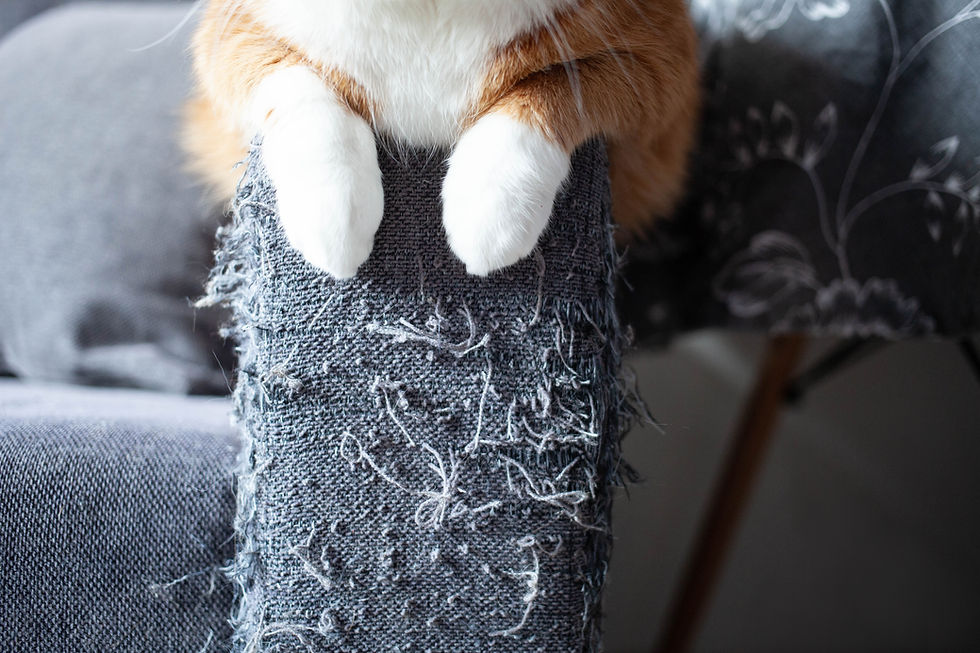
Does your cat stand on their hind legs and reach their front paws up your couch, a scratching post, or even your leg?
This behavior combines stretching with scratching and scent marking. Cats have scent glands in their paws, and scratching can leave both scent and visible marks on a surface. It's a natural behavior that helps cats interact with and establish familiarity with their surroundings.
Providing sturdy scratching posts in convenient locations gives your cat an appropriate place to stretch and scratch without turning your furniture into their personal project.
The Belly-Up Stretch
Some cats roll onto their backs and extend their legs, showing off their bellies in the process. This position can indicate that a cat feels relaxed and secure in their surroundings.
However, a belly-up stretch doesn't necessarily mean your cat wants a belly rub! Many cats are perfectly happy showing their bellies but prefer not to have them touched. Let your cat guide the interaction, and stick to petting areas they clearly enjoy.
How to Encourage Healthy Stretching at Home
You don't need a complicated routine to support your cat's natural movement. A few thoughtful additions to their environment can make a difference.
Provide scratching posts and pads. Choose sturdy options that allow your cat to stretch comfortably. Some cats prefer vertical scratching posts, while others enjoy horizontal cardboard scratchers. Offering both can help you discover your cat's favorite.
Make room for climbing. Cat trees, stable shelves designed for cats, and accessible window perches give your feline friend opportunities to climb, reach, and move throughout the day. Make sure elevated spots are secure and appropriate for your cat's age and mobility.
Make playtime part of the day. Interactive wand toys and toys that encourage chasing or pouncing can help your cat stay active. Short, regular play sessions are a great way to support their physical and mental well-being.
Give them comfortable places to rest. Cats need cozy places where they can curl up, stretch out, and relax. Offer resting spots with enough room for your cat to change positions comfortably. A soft cat bed or a favorite blanket can make a welcoming place to unwind between adventures.
Most importantly, let your cat move at their own pace. Never force a stretch or pull their legs to extend their body. Cats should be able to stretch naturally and comfortably on their own.
When Should You Be Concerned About Your Cat's Stretching?
Stretching is usually a normal, healthy behavior. However, changes in how your cat moves can sometimes be a sign that something isn't right.
Pay attention if your cat suddenly stops stretching as much as usual, seems stiff after resting, limps, hesitates before jumping, or reacts negatively when you touch certain areas of their body. Cats can be very good at hiding discomfort, so even subtle changes in their normal routines are worth noticing.
It's also important to distinguish a relaxed stretch from a posture that may signal discomfort. For example, a cat that repeatedly crouches with their chest low and hindquarters raised, particularly alongside vomiting, reduced appetite, or other signs of illness, should be assessed by a veterinarian promptly.
If your cat's stretching or movement patterns change noticeably, or you suspect they're in pain, contact your veterinarian for guidance. You know your cat's normal habits better than anyone, and noticing changes early can help them get the care they need.
A Little Stretch Goes a Long Way
From post-nap stretches to playful reaches across the living room, cats have a way of making even the simplest movements entertaining. But those stretches are more than just cute photo opportunities. They're part of how cats move, explore, and interact with the world around them.
By providing opportunities for play, scratching, climbing, and comfortable rest, you can help your cat enjoy a more enriching daily routine. And the next time your feline friend stretches right in front of you, take it as a reminder to slow down and appreciate one of the many little things that make life with cats so special.
After all, if anyone knows how to make stretching and relaxing look like a full-time job, it's a cat!


Comments