%20(1)%20(1).png)
Do Cats Get Lonely?
Updated: Oct 8
Cats have a reputation for being independent, but that doesn't mean they never feel lonely. While many cats are perfectly content spending time on their own, others crave more interaction than people realize. Whether you're away at work during the day or simply wondering if your cat would benefit from a feline friend, it's natural to ask: Do cats get lonely?

The answer is yes, some cats can experience loneliness. However, every cat has a unique personality, so the signs and solutions aren't always the same. Before deciding whether your cat needs a companion, it's important to understand what feline loneliness actually looks like.
Can Cats Feel Lonely?
Although cats are often more independent than dogs, they still form strong social bonds with both humans and other animals. In the wild, some cats live solitary lives, while others form colonies where they groom one another, share territory, and interact regularly. Domestic cats can display similar social behaviors, especially if they've been raised around other cats from an early age.
That said, not every cat wants constant companionship. Some thrive as the only pet in the household, while others enjoy having another cat to play, cuddle, or simply coexist with. Age, personality, early socialization, and past experiences all influence how social an individual cat will be.
Signs Your Cat May Be Lonely
While every cat is different, these behaviors may suggest your cat could use more interaction or enrichment:
Increased vocalization: Frequent meowing or yowling, especially when you're home, may be your cat's way of seeking attention.
Clingy behavior: Following you from room to room or constantly wanting to be near you can indicate they're craving companionship.
Withdrawal: Some lonely cats become quieter, sleep more than usual, or lose interest in activities they once enjoyed.
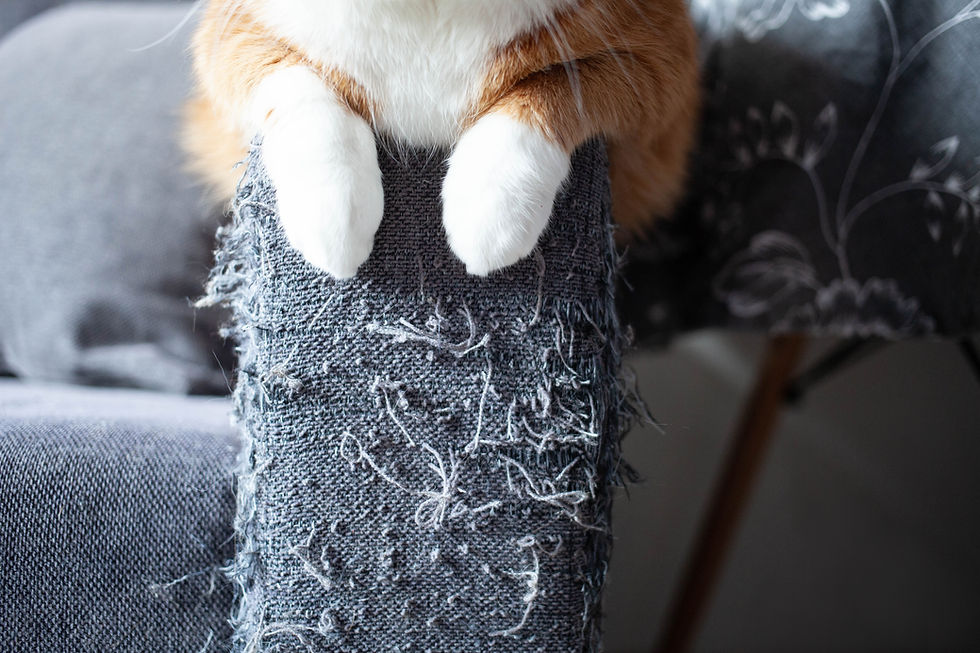
Destructive behaviors: Scratching furniture, knocking objects off counters, or other mischievous behavior can be signs of boredom.
Overgrooming or overeating: Changes in grooming or eating habits may sometimes stem from stress or loneliness, although they can also indicate medical issues.
Keep in mind that these behaviors don't always mean your cat is lonely. If you notice sudden or significant changes, it's a good idea to consult your veterinarian to rule out underlying health concerns.
Does Your Cat Need a Second Cat?
This is one of the biggest questions cat owners ask, but the answer isn't always straightforward.
A second cat can provide companionship, playtime, and enrichment, particularly for younger, social cats that spend many hours alone each day. Kittens and young adult cats often adapt especially well to having a feline playmate.
However, bringing home another cat isn't a guaranteed solution to loneliness. Some adult cats are territorial and genuinely prefer being the only pet. In those cases, introducing another cat may actually create more stress than comfort.
Instead of asking, "Does my cat need another cat?" a better question is, "Would my cat enjoy another cat?" The answer depends on your cat's personality, history, and behavior—not simply how much time they spend alone.
How Do You Know if Your Cat Would Benefit From a Companion?
There isn't a simple yes-or-no test, but there are several signs that your cat may adapt well to sharing their home.
Cats that previously lived happily with other cats, actively seek out play, seem
bored despite having toys, or appear especially energetic after long days alone may appreciate another feline companion. Younger cats also tend to adjust more easily to new housemates than older cats who have lived alone for many years.
On the other hand, if your cat is easily stressed by change, dislikes seeing neighborhood cats through the window, or has always preferred their own space, another cat may not improve their quality of life.
Other Ways to Prevent Cat Loneliness
If you're not ready to adopt another cat, or simply don't think it's the right fit, there are plenty of ways to keep your cat mentally and emotionally fulfilled.
Rotate toys regularly so they stay interesting, schedule short interactive play sessions each day, provide window perches for bird watching, and create climbing opportunities with cat trees or shelves. Food puzzles and treat-dispensing toys can also help occupy your cat while you're away.
Even spending 15 to 20 minutes of focused playtime before or after work can make a meaningful difference for many cats.
If You Decide to Get a Second Cat
If you think your cat would genuinely enjoy a companion, take your time choosing the right match. Similar energy levels, compatible personalities, and gradual introductions often have a much bigger impact than age or breed alone.
It's also important to remember that friendship isn't guaranteed overnight. Many cats need several weeks, or even months, to become comfortable sharing their home. Patience and proper introductions can make all the difference in building a positive relationship.
Cats may be independent, but that doesn't mean they never get lonely. Some cats are perfectly happy as the only pet in the household, while others flourish with more companionship and interaction. Rather than assuming every cat needs a feline friend, pay attention to your cat's individual personality and behavior.
If your cat seems content, playful, and engaged, they're probably getting the social interaction they need. But if they consistently show signs of boredom or loneliness despite enrichment and quality time with you, it may be worth considering whether a carefully chosen second cat could make them happier.


Comments