%20(1)%20(1).png)
Cat Litter 101
- Sep 30, 2025
- 3 min read
Choosing the right litter isn’t just about convenience or cost, it’s about your cat’s comfort and health, your home’s cleanliness, and your own sanity. With so many litter options on the market, it can feel overwhelming, and it can be hard to differentiate which are a good choice for your cat, and which are purely genius marketing. Let’s break down the most common types of litter, their pros and cons, and how to pick the one that works best for you and your cat.

What is Cat Litter Made Of
Cat litter is designed to do two things: absorb moisture and odor control. Traditional litters are typically made from clay because it’s highly absorbent and inexpensive. Over the years, new types of litters have emerged to cater to different needs and preferences. Silica is another popular litter material. Silica crystal litters use tiny beads of silica gel to trap moisture and odor. Natural or biodegradable litters use materials like corn, walnut shells, wood, or recycled paper.
Each material works a bit differently; clay tends to be heavier in weight, but more absorbent, while silica lasts longer, although some cats are uneasy about it. Natural options are often eco-friendly, but may require more frequent changes. Understanding what’s actually in your cat’s litter box is the first step toward making the best decision for you, your cat, and your home.
Types of Cat Litter
Material isn’t the only thing that litter varies in. The most common distinction between litter types is clumping vs. non-clumping. Clumping litter forms solid clumps when wet, making it easier to scoop and maintain a clean litter box. Non-clumping litter, however, absorbs liquid without clumping. While this typically means less dust, it requires more frequent litter box changes.
Silica crystal litter is known for its low-dust formula and long-lasting odor control, but its crunchy texture isn’t always a hit with every cat. Natural and biodegradable litters appeal to eco-conscious owners and cats who may have sensitivities to dust, though they may not control odors as well as clay alternatives. Each type has its benefits and drawbacks, and it may take some experimentation to figure out what your cat prefers.
How to Pick the Right Litter for Your Cat
● Consider your cat’s age. Kittens can have tendencies to eat litter, so avoiding clumping litters is necessary to ensure they don’t choke.
● Just like us, cats have preferences. Some cats prefer the texture of clay litters while some prefer the silica gel beads.
● It’s important to consider possible health issues as well. Things like dust sensitivity are important aspects to think about when choosing litter, both for your cat and you!
● Of course, odor control is a must for everyone. But choosing a litter with more odor control may be a better option if you have a smaller space.
What About Traveling?
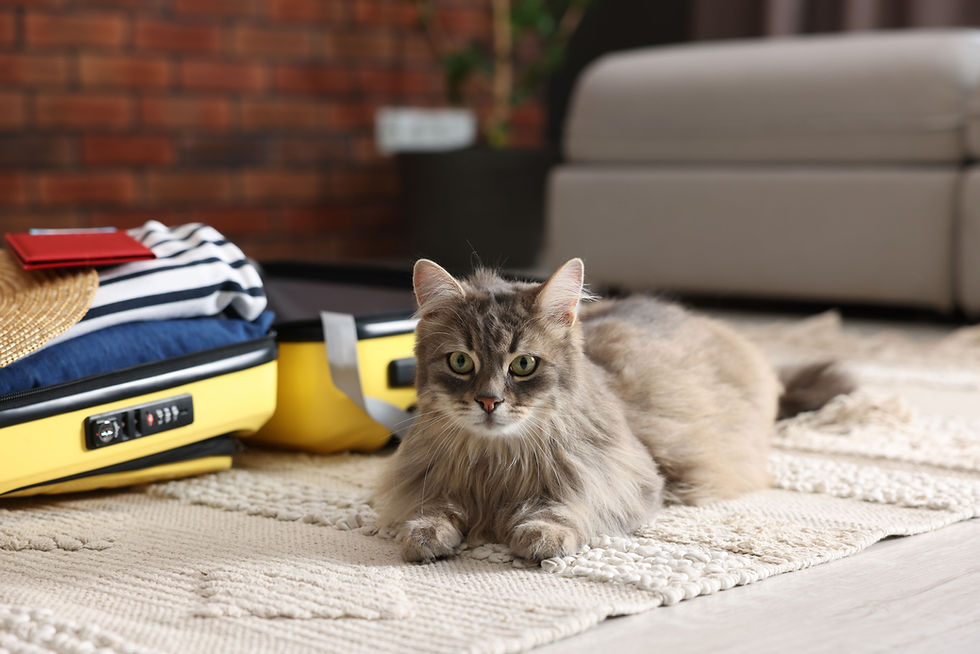
Travel is stressful enough on its own, and bringing your cat along adds another layer of complexity. Litter should be the last thing on your mind. Hauling a full-size container from home is bulky, messy, and inconvenient. Having the right travel-friendly litter ensures both you and your cat stay comfortable on the journey.

Travel Gravel was designed specifically for life on the go. It’s a lightweight, resealable, four-pound pouch of high-quality litter that’s easy to carry and easy to use. Plus, its odor control makes traveling and staying in tight places easier and more enjoyable for everyone. For an even smoother trip, pre-measure the amount of litter you need; less weight, less mess. And don’t forget to pack a small scoop and a spare plastic bag for quick and easy cleanups along the way.
Picking the right litter for you and your cat makes life ten times easier. By understanding the different materials and types of litter, you can select the best option for everyday use. And when it’s time to travel, products like Travel Gravel ensure your cat’s needs are met without any hassle.


Comments