%20(1)%20(1).png)
Signs of a Happy Cat
- Jan 27
- 3 min read
Updated: Apr 20
Cats may be subtle communicators, but once you know what to look for, the signs of a happy cat are surprisingly easy to spot. From relaxed body language to playful behavior, a content cat sends plenty of signals that they feel safe and comfortable. Understanding these cues is especially important during changes in routine, like travel, when stress can affect even the most laid-back feline.

In this guide, we’ll break down the key body language and behavior markers of a happy cat, compare them to signs of anxiety, and explain how maintaining consistent routines on the road helps keep cats calm and content.
Body Language: The Clearest Sign of a Happy Cat
One of the most reliable ways to recognize the signs of a happy cat is by paying attention to their body language. A relaxed, content cat moves with ease and carries themselves confidently in their environment. You might notice slow, deliberate blinking, which signals trust and comfort, or a tail held upright with a soft curve at the tip when greeting you. Their ears are typically forward or neutral rather than pinned back, and their body posture appears loose rather than tense. Even when resting, happy cats tend to stretch out comfortably instead of curling tightly or hiding.
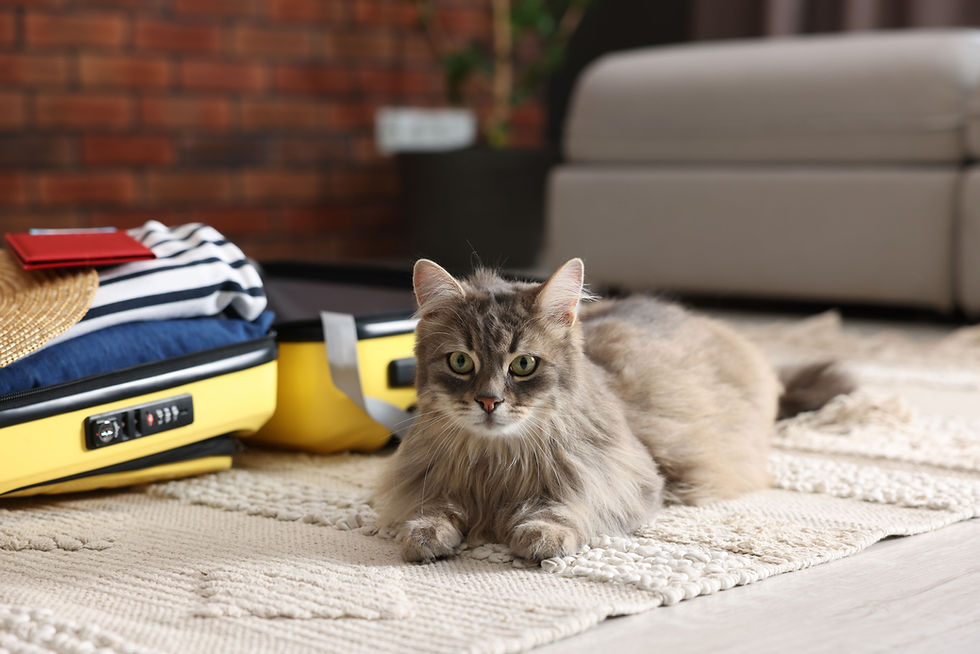
These physical cues become especially important during travel or other changes in routine. Once a cat feels settled in a new space, such as a hotel room or Airbnb, their body language often mirrors what you see at home. Recognizing these familiar signals can reassure you that your cat is adjusting well.
Behavior Markers That Signal Contentment
In addition to body language, everyday behaviors provide strong insight into your cat’s emotional well-being. The signs of a happy cat often show up in their routines: they eat and drink regularly, use the litter box consistently, and engage in play or gentle exploration. Content cats are typically curious without being frantic, and they balance activity with restful downtime.
During travel, these behaviors help you gauge how your cat is coping with change. A cat that continues to groom normally, shows interest in toys, or seeks out familiar interaction is likely feeling secure despite being in an unfamiliar environment. Maintaining these behaviors on the road is a good indicator that your cat feels safe, comfortable, and emotionally supported.
Relaxed vs. Anxious Cats: Key Differences
Understanding what isn’t normal helps you recognize when something’s off.
Signs of a Relaxed Cat
Normal grooming habits
Calm exploration
Quiet resting between activities
Signs of an Anxious Cat
Hiding or crouching
Excessive meowing or growling
Refusing food or litter box use
Dilated pupils and flattened ears
During travel, cats may temporarily show anxious behaviors, but prolonged stress signals mean adjustments are needed.
How Travel Can Affect a Cat’s Happiness
Travel introduces new sights, smells, and sounds that can temporarily disrupt a cat’s sense of security. Even cats that consistently show strong signs of a happy cat at home may need extra support when their routine changes. It’s common for cats to eat less, play less, or become either more clingy or more withdrawn during trips, especially in the first day or two. These shifts don’t necessarily mean your cat is unhappy, they’re often a normal response to unfamiliar environments.
The good news is that these behaviors typically improve quickly once a sense of routine is reestablished. When cats are given familiar cues like consistent feeding times, a recognizable litter setup, and comforting scents from home, they’re more likely to relax and return to their usual, happy behaviors.
Keeping Cats Happy on the Road With Consistent Routines
Maintaining familiar routines is one of the best ways to preserve the signs of a happy cat during travel.
Focus on Familiarity:
Food: Stick to the same brand and feeding schedule
Litter: Use the same litter type your cat uses at home to reduce stress
Scent: Bring familiar blankets or toys that smell like home
Lightweight, low-tracking litter options like Travel Gravel are especially helpful for maintaining litter box consistency without creating mess in small travel spaces.
Every cat expresses happiness differently, but understanding the common signs of a happy cat helps you support your pet through everyday life, and during travel. By watching body language, noting behavior changes, and keeping routines consistent, you can ensure your cat feels secure no matter where the journey takes you.


Comments